Let’s not get distracted by shiny new things
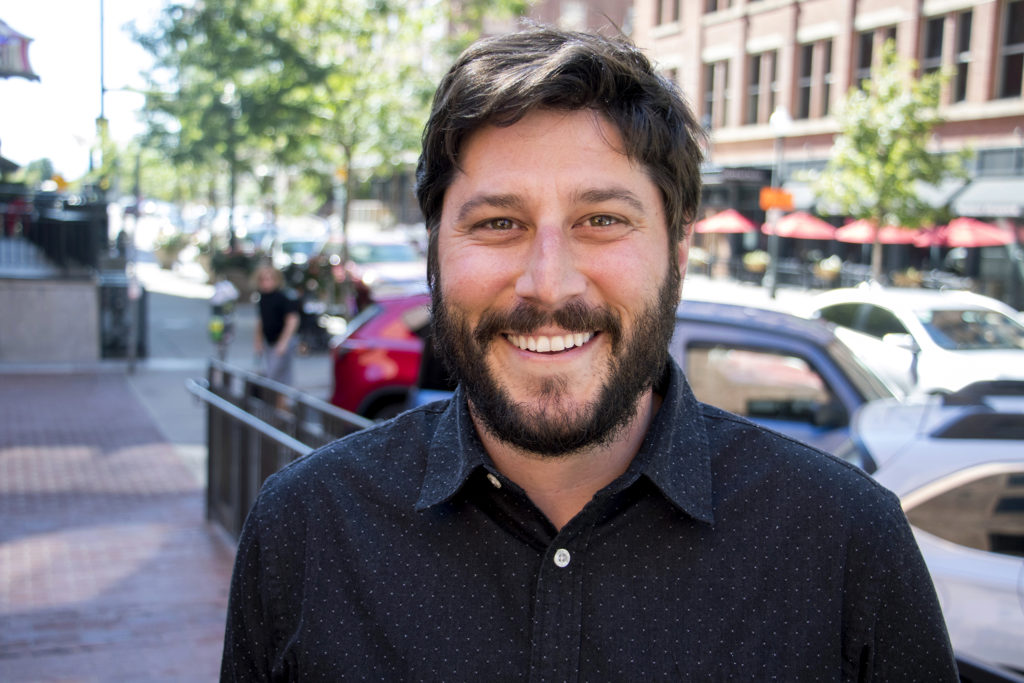
Jill Locantore is the Executive Director of the Denver Streets Partnership, a coalition of community groups advocating for people-friendly streets. Follow her on Twitter at @jlocantore
When asked how Denver should spend pandemic recovery money—including both federal relief funds and a proposed $450 million bond—90 percent of residents who responded said the city should “fix something outdated” or “improve something that already exists,” rather than build something new. And yet, by far the biggest ticket item in the bond package put forth by Mayor Hancock is a brand new arena with a $160 million price tag.
Throwing this much funding at something Denverites say they don’t want is a missed opportunity. What else could we do with $160 million? When it comes to outdated infrastructure, a glaring example is staring us right in the face: our city streets, and particularly major arterials like Colfax Avenue. Respondents to the city’s survey say they want safe and accessible streets, sidewalks, bike lanes, and transportation systems. Right now, streets like Colfax are anything but safe and accessible. Designed like highways to move as many cars as fast as possible, these streets contribute to our community’s problems in countless ways, from the alarming number of people killed in traffic crashes, to endless bad air quality days, to the lack of affordable transportation options for getting around Denver.
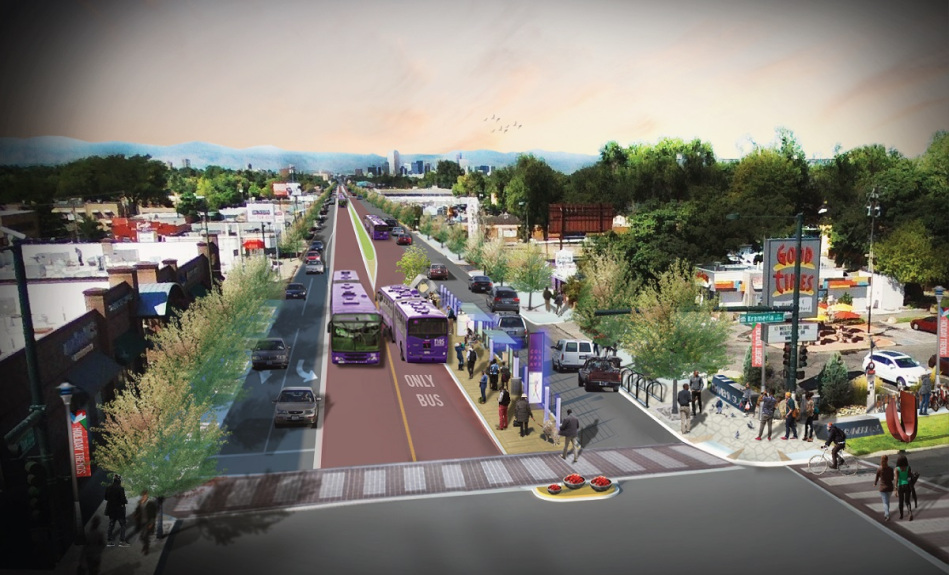
Even with its outdated design, Colfax is one the nation’s top performing transit corridors. During the pandemic, transit ridership dropped sharply across the country to 20% of pre-pandemic levels, but Colfax corridor ridership remained over 60% of prior ridership levels, serving an average of nearly 13,500 essential workers who boarded the 15 and 15L buses each day. The proposal to upgrade the Colfax corridor to Bus Rapid Transit (BRT) is forecast to increase transit ridership along the corridor a whopping 67% compared to a “do nothing” scenario. This dramatic increase in transit use, and corresponding decrease in driving, is what we urgently need to reduce air pollution back to healthy levels. The BRT project would also transform Colfax from a deadly highway to a pedestrian-friendly mainstreet, making a major contribution to Denver’s Vision Zero goal to eliminate traffic fatalities.
Colfax BRT is exactly the kind of transformational project that new bond funding could help speed toward implementation, supplementing the partial funding allocated to the project in the previous bond Denver voters approved in 2017. But instead the project is still years away from completion as it slowly works through the bureaucratic process of pursuing uncertain federal dollars.
The proposed bond package does allocate about $61 million for transportation projects including sidewalks, bike lanes, and pedestrian safety improvements. While these smaller projects are worthy, the amount included for them in the bond is woefully inadequate compared to the need. The package includes just $12 million for 6 miles of sidewalks.That is barely one quarter of the 20 miles of sidewalks that the city committed to building each year in its 2017 Vision Zero Action Plan—a target the city has consistently failed to meet.
Even if more of the bond funding were dedicated to sidewalks, it would still just be a start, not a complete solution. With 40% of Denver’s streets lacking safe, accessible sidewalks (and an untold number of sidewalks in serious disrepair), it’s clear we must think bigger than the bond. What the city really needs is a sustainable annual funding source to consistently chip away at the problem until Denverites have the comprehensive, functional sidewalk network they deserve. The idea of assessing property owners a sidewalk fee for this purpose has been on the table for years, but city leaders have yet to seriously consider this option. In this way, the focus on bond funding is yet another missed opportunity. It’s past time for the city to step up and focus the right funding sources on the right projects that will truly improve the quality of life for Denverites, rather than getting distracted by shiny new things.
Streetsblog has migrated to a new comment system. New commenters can register directly in the comments section of any article. Returning commenters: your previous comments and display name have been preserved, but you'll need to reclaim your account by clicking "Forgot your password?" on the sign-in form, entering your email, and following the verification link to set a new password — this is required because passwords could not be carried over during the migration. For questions, contact tips@streetsblog.org.