Trump Rule Would Allow Colorado Car Dealers to Sell Vehicles That Pollute More
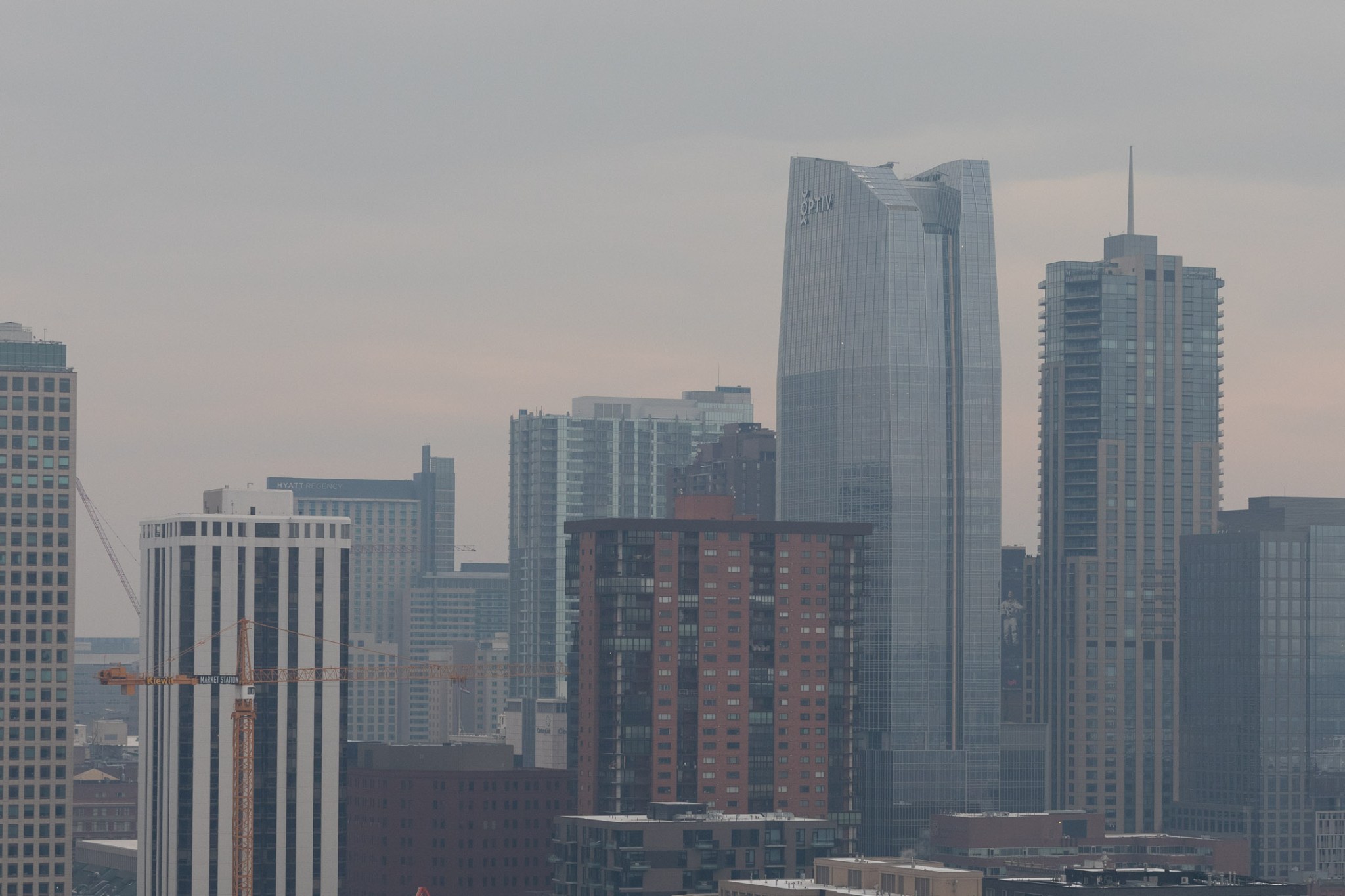
The Trump administration could kill state regulations that limit vehicle emissions and promote the sales of electric vehicles. The new EPA rule, expected this summer, could lead to more pollution in Colorado and push the state further out of compliance with federal air quality standards. If that happens, federal officials could cut off funding for highway and public transportation projects in the state.
“States are liable to lose federal funding if they are not able to meet air quality standards,” said Simon Mui, a Senior Scientist at the Natural Resources Defense Council. “Any state that does not meet air quality standards would be at risk.”
In the 1970s, the EPA issued a waiver that allowed California to set its own vehicle emissions standards. In 2013, the Obama administration gave other states the right to adopt California’s rules, which Colorado did in November. Colorado is also expected to join the Golden State in requiring auto manufacturers to make a wider range of electric vehicles available for sale here.
But both regulations would be rolled back in California, Colorado and 12 other states under the cynically-named SAFE rule, which stands for the “Safer Affordable Fuel-Efficient Vehicle Rule.” It would force all states to adhere to weakened federal standards.
“If California’s waiver was taken away, then Colorado wouldn’t have the ability to set those stronger emissions standards,” said Morgan Folger, a transportation and climate advocate at Environment America. “Down the line, it could affect Coloradans’ ability to access cleaner cars.”
If the Trump rule takes effect, car mileage standards would be locked in at 37.5 miles per gallon, down from an Obama-era mandate that aimed to achieve 54.5 miles per gallon by 2025. Without the ability to mandate more efficient cars, Colorado’s air could get even more polluted.
The Denver Post reported ozone readings that exceeded federal limits along much the Front Range last year, including in Rocky Mountain National Park. In a March 29 statement Gov. Jared Polis added:
“Last year alone, there were 55 days when Coloradans were warned that exercising outdoors could be damaging to their health due to high ground-level ozone,” he said “That’s more than half the summer, which is unacceptable.”
The potential impact of the Trump rule alarms California officials, who worry that dirtier air could trigger a loss of federal transportation funding. With fewer transportation dollars, officials fear longer commutes, lost construction jobs and a hit to the economy, according to California Matters, a nonprofit news site. Failing to meet clean air requirements could allow the federal government to take over regional and state clean air planning, too, according to Streetsblog California.
Revoking states’ ability to regulate vehicle emissions would also affect their attempts to reduce greenhouse gas emissions and fight the climate crisis. In February, Colorado Attorney General Philip Weiser noted climate change impacts here, including natural disasters and weather impacts on tourism and agriculture, when he expressed support for California in its appeal to stop the new federal rule by filing an amicus brief.
If the Trump rule takes effect, the states with stricter regulations will almost certainly sue to keep them. That could force automakers to make completely different cars for different states. A difficult and expensive possibility, many of the world’s largest car companies including Ford, General Motors, Honda and Volkswagen, asked the Trump administration to water down the rule in a letter sent to the White House on Thursday.
“The carmakers … had sought some changes to the pollution standards early in the Trump presidency,” according to the New York Times. “But have since grown alarmed at the expanding scope of the administration’s plan.
Streetsblog has migrated to a new comment system. New commenters can register directly in the comments section of any article. Returning commenters: your previous comments and display name have been preserved, but you'll need to reclaim your account by clicking "Forgot your password?" on the sign-in form, entering your email, and following the verification link to set a new password — this is required because passwords could not be carried over during the migration. For questions, contact tips@streetsblog.org.