3 Losses for Sustainable Transportation in the 2017 Colorado General Assembly
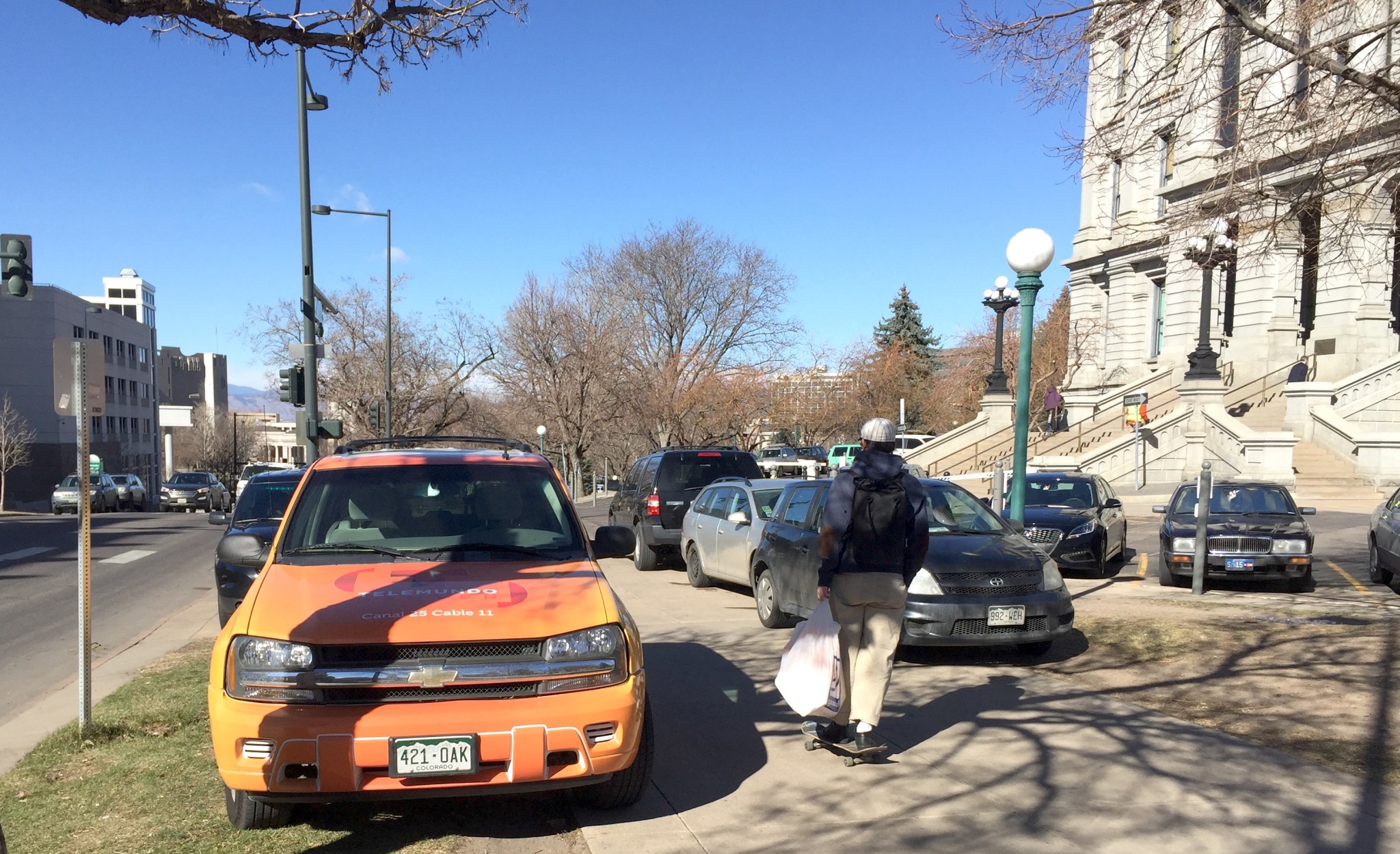
Another session under the Colorado Capitol dome is done. (Maybe.)
The Colorado General Assembly’s most debated bill of 2017? Probably a sales tax hike for $3.5 billion in transportation funding that eventually imploded along party lines. But that bill wasn’t the only way state electeds failed transit, walking, and biking.
We’ll look at legislative wins later in the week, but for now, here are the losses.
The death of statewide multimodal funding
It began as a bipartisan transportation tax-and-bond bill that would have, for the first time, dedicated a significant amount state funding for transit, walking, and biking — $120 million for a “multimodal fund” plus complete local control of money funneled to municipalities.
Then the Republican-controlled Colorado Senate watered it down. Finally, in this story’s denouement, legislators chose to continue on the wide road of a one-dimensional, car-focused system. Legislators settled on a bond package that will raise $1.8 billion for regressive road projects like widening I-25 south and north of Denver and I-70 in the mountains, while setting aside just 10 percent for transit. Governor Hickenlooper has yet to sign the bill into law.
What could have been a springboard for a “true statewide transit system” instead became more of the same, said Colorado Public Interest Research Group Director Danny Katz. Sidewalks and bike lanes took a big hit, too.
“Colorado had a chance to join the majority of our states in the country and actually invest in walking and biking,” Katz said. “So when [the bill] failed, we continued to fail to support, on a statewide level with statewide dollars, walking and biking. And you can’t have a transportation system that doesn’t have those two components. So we continue to have a segmented, siloed transportation system, which is gonna make it harder to make it safer and harder to make it cleaner, harder to make it more efficient.”
Free rein for automated vehicles in cities
There are plenty of questions as to whether driverless cars are ready for unpredictable, urban streets filled with people.
Nevertheless, early on in the session, legislators decided to clear the way for the budding automated vehicle industry to test their unproven robocars on Colorado streets. The bill also strips urban centers like Denver of any ability to create their own regulations.
This, despite recommendations from the National Association of City Transportation Officials (Denver is a member city) to ban partially automated vehicles from city streets, and restrict automated vehicle speeds to 25 mph or less [PDF].
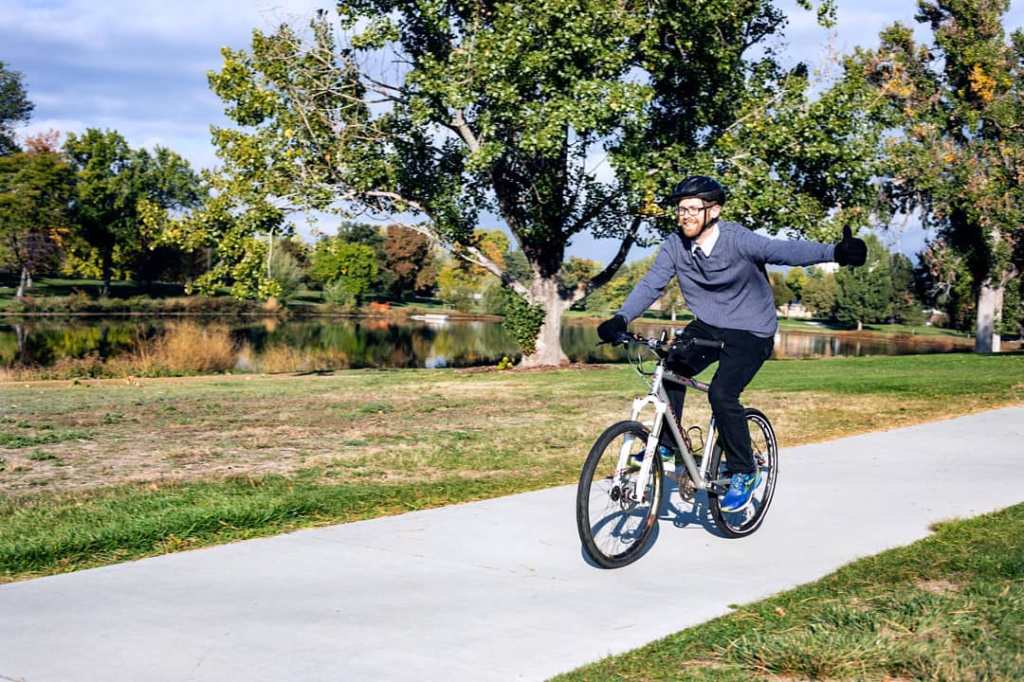
No “Idaho stop” for Coloradans
As Streetsblog reported back in February, Republican senators Vicki Marble, Randy Baumgardner, and Jerry Sonnenberg killed a safety bill that would have have let people on bikes treat stop signs as yields and red lights as stop signs.
The bill, which died in the Senate Transportation Committee, was modeled after a longstanding law in Idaho. Colorado’s Summit County adopted a similar bill and embraced its common sense.
In the end, opponents scoffed at the idea that people riding 30-pound bicycles should be treated differently than people operating two-ton motor vehicles.
An earlier version of this article erroneously stated that NACTO suggests banning all automated vehicles from city streets. NACTO recommends banning partially automated vehicles.
Streetsblog has migrated to a new comment system. New commenters can register directly in the comments section of any article. Returning commenters: your previous comments and display name have been preserved, but you'll need to reclaim your account by clicking "Forgot your password?" on the sign-in form, entering your email, and following the verification link to set a new password — this is required because passwords could not be carried over during the migration. For questions, contact tips@streetsblog.org.