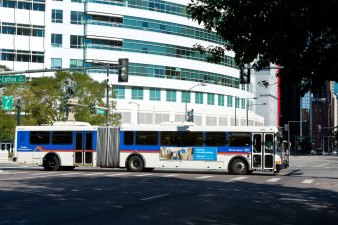
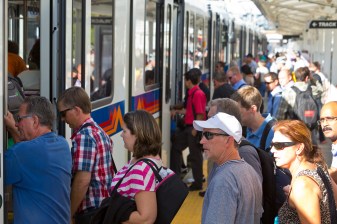
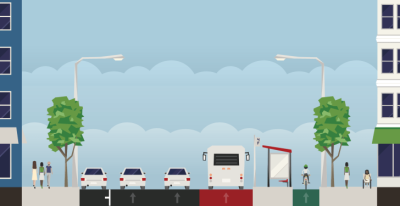
As fewer people ride transit — in Denver and across the country — local governments and transit agencies blame a number of factors without discussing speed of service. But slow buses, combined with other elements of poor service, are a critical factor in declining transit ridership across the country.
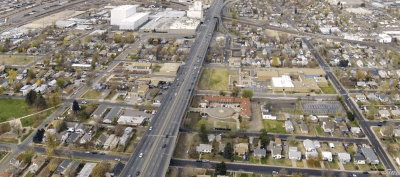
A new report calls for the removal of America's 10 worst urban highways, including Interstate 70 through Denver’s mostly Latino neighborhoods of Elyria, Swansea, and Globeville. Local activists see the report as a chance to renew their calls to stop the project — especially after electing Gov. Polis, who campaigned on cutting vehicle emissions and increasing mass transit.
Denver wants its own Department of Transportation and Infrastructure, shifting the Department of Public Works' primary focus to transportation — while keeping its duties over over solid waste and water treatment.
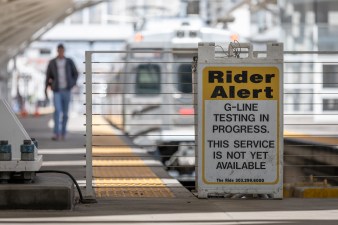
The G-Line train from Denver Union Station to Arvada and Wheat Ridge will finally open April 26 after more than two years of delays. Like the University of Colorado A-Line, glitches in the positive train control system caused the line to fail federal safety standards. But federal approvals finally arrived late last week.
RTD will upgrade bus stops, add bus shelters and install safety upgrades at 37 bus stops for the 15 & 15L along East Colfax. Changes to the street will boost pedestrian safety and accelerate bus trips, too.
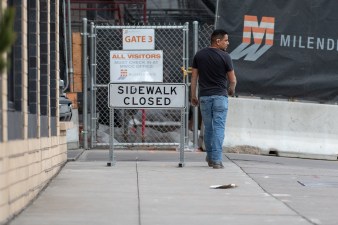
Navigating around construction sites may soon get easier for pedestrians, cyclists and transit riders. But today's tweak to existing policies doesn't go far enough, say safety advocates.
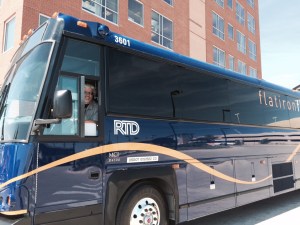
In Denver and across Colorado, transit officials can’t hire enough people to drive buses and operate trains. Without drivers, some buses and trains never leave the station or service is cut.
The number of people who drive alone to get to work in Downtown Denver is shrinking, albeit slowly, with some commuters instead choosing mass transit, biking, walking and other modes of transportation.
Today Mayor Michael Hancock gathered with community members at City Hall to share a set of plans that will guide how Denver will change to keep its people housed, healthy and safely getting to the places they need to go over the next 20 years.
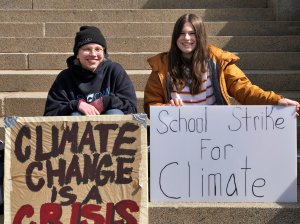
After the Global Climate Strike, where students in Colorado and around the world demanded climate action, elected officials at all levels of Colorado government appear to be shrugging their shoulders, offering political agendas that fail to envision a better transportation future.
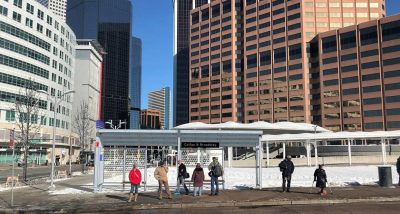
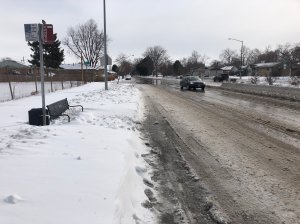
Yesterday's “bomb cyclone” blizzard covered Denver in at least six inches of snow. After the flakes stopped falling I toured five bus routes. But it was not a good day to be a pedestrian.