Promoted
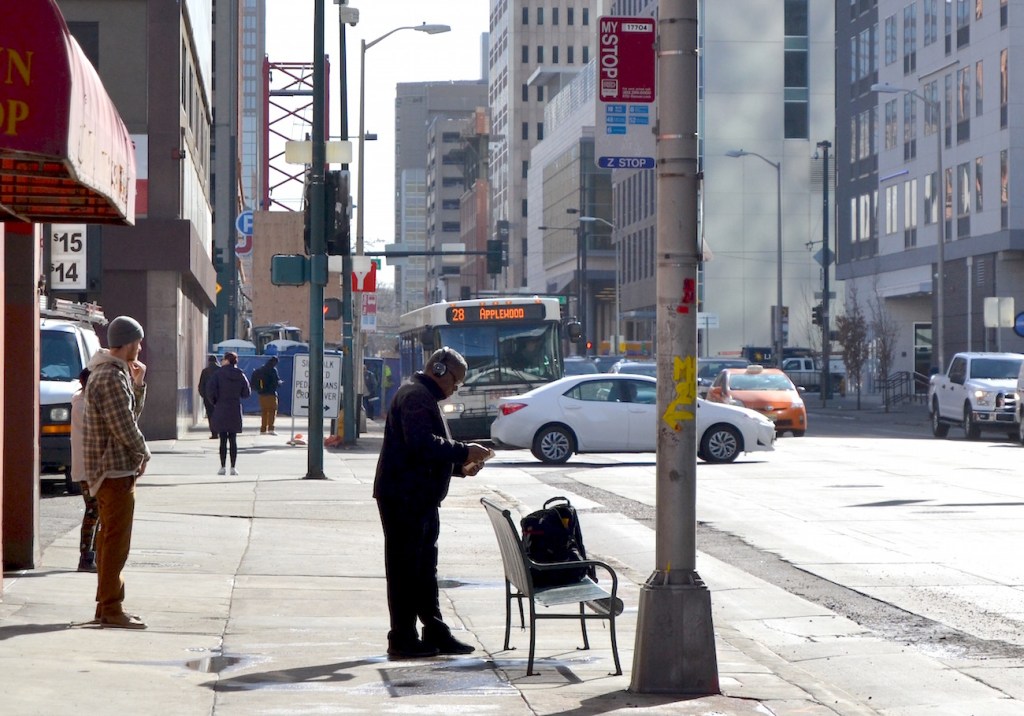
Why RTD Is Consolidating Bus Stops
When bus stops are too close together, service gets worse for everyone.
January 29, 2018
Westword Misses the Point of the L Line
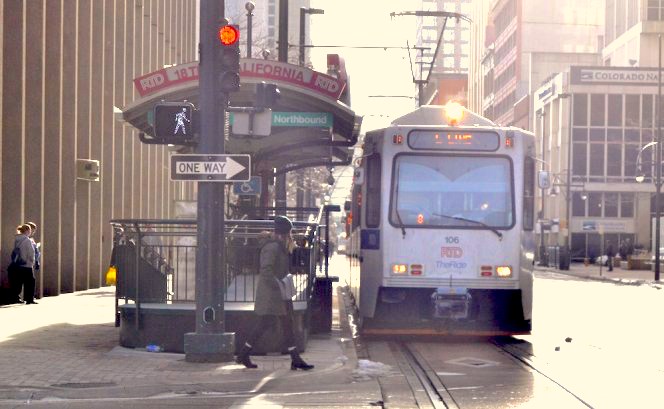
If the writer truly wants to use his megaphone to advocate for transit, he'll ask the Hancock administration to allocate funding to restore RTD service, speed up buses and trains with more dedicated right of way, and install signals that give transit priority at intersections.
January 25, 2018
Hickenlooper Insists That Widening I-70 Is Good for Denver’s Health and Air Quality
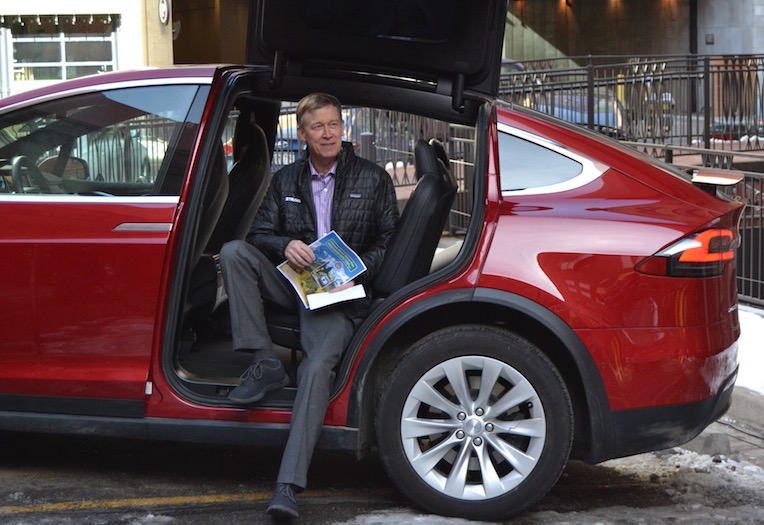
Expanding I-70 requires digging up contaminated soil from a Superfund site in the country's most polluted ZIP code. But Hickenlooper stuck to his claims that adding more car lanes will be good for our air quality and our health.
January 24, 2018
Federal Judge Declines to Issue Injunction Against CDOT’s I-70 Widening
A federal judge yesterday ruled against plaintiffs seeking to halt the Colorado Department of Transportation's project to widen I-70 through mostly low-income, Latino neighborhoods in north Denver.
January 23, 2018
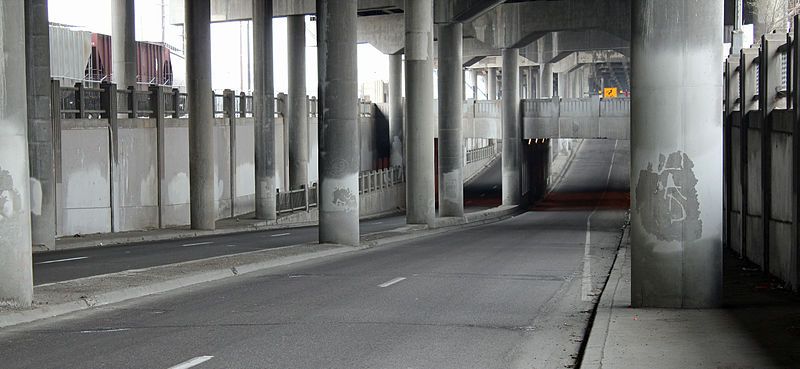
Reminder: You Don’t Have to Drive to the Slopes
Other options exist, but they're a far cry from what's needed — dedicated bus lanes and, eventually, a train route.
January 19, 2018
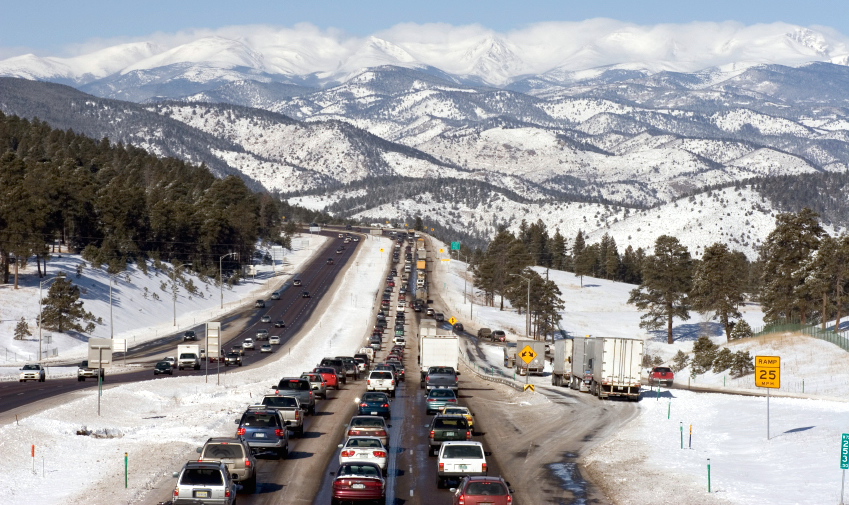
DPW Says Pedestrian Bridge at 47th and York Coming in 2020
At the same time, however, CDOT plans to make walking more dangerous by widening York Street.
January 18, 2018
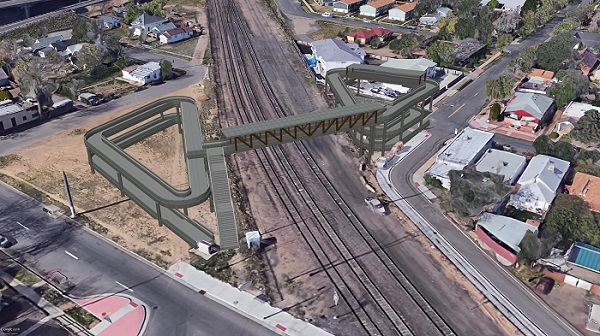
5 Story Lines to Watch in the 2018 Colorado General Assembly Session
Funding for sustainable transportation and safety measures are on the table.
January 16, 2018
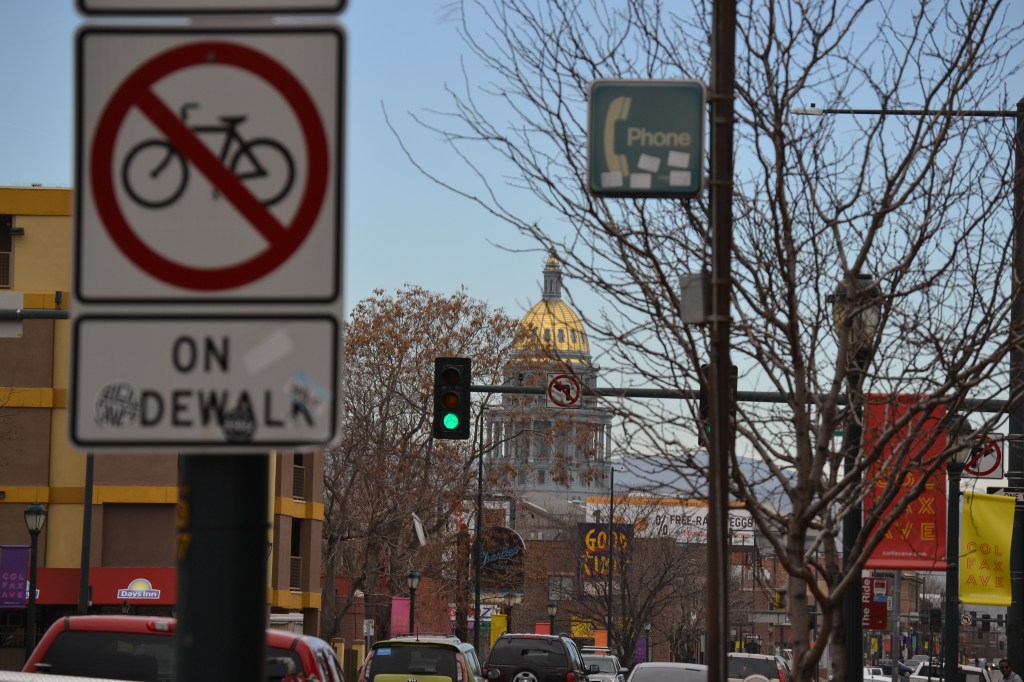
Eulois Cleckley, Hancock’s New Head of Public Works, Lives Car-Free in Denver
There's at least one thing that differentiates Eulouis Cleckley, the new director of Denver Public Works, from most local civil servants: He doesn't have a car. Cleckley moved here from Houston without one.
January 12, 2018
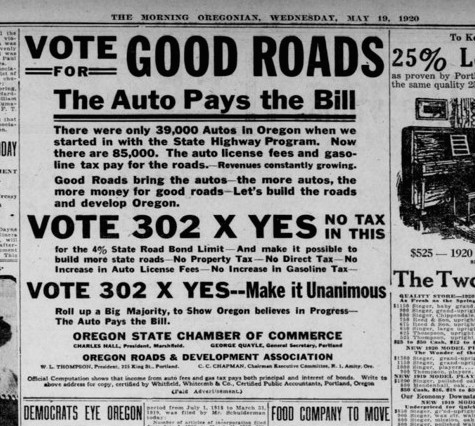
Political Ad from 100 Years Ago Mirrors Colorado GOP Approach to Transportation: More Roads, More Traffic
"Good Roads bring the autos — the more autos, the more money for good roads."
January 11, 2018
Transit Know-Nothing Jon Caldara Wants to Keep Colorado Trapped in the 1950s
In his latest piece for the Post, "At CDOT, mission creep and newspeak," Caldara compares state transportation investments in transit and biking to cancer.
January 10, 2018