Promoted
Is RTD Boss Dave Genova Doing the Best He Can for Denver Transit?
The agency is struggling, but the RTD Board just voted to give the agency chief a small bonus.
November 30, 2017
Draft Pedestrian Plan Diagnoses Denver’s Walkability Problem But Falls Short on Solutions
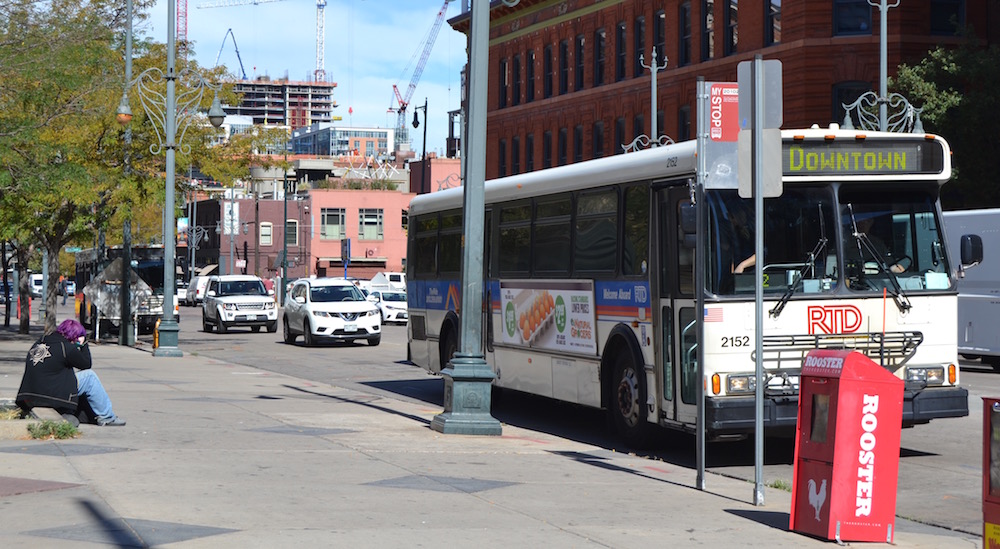
It will take Denver 440 years to create a seamless citywide sidewalk network at current funding levels, but don't look to the Hancock administration's newly released Denver Moves Pedestrians & Trails draft plan for a strategy on how to get there this century.
November 29, 2017
Cherry Hills City Council Votes for Unfettered Driving Over Kids’ Safety
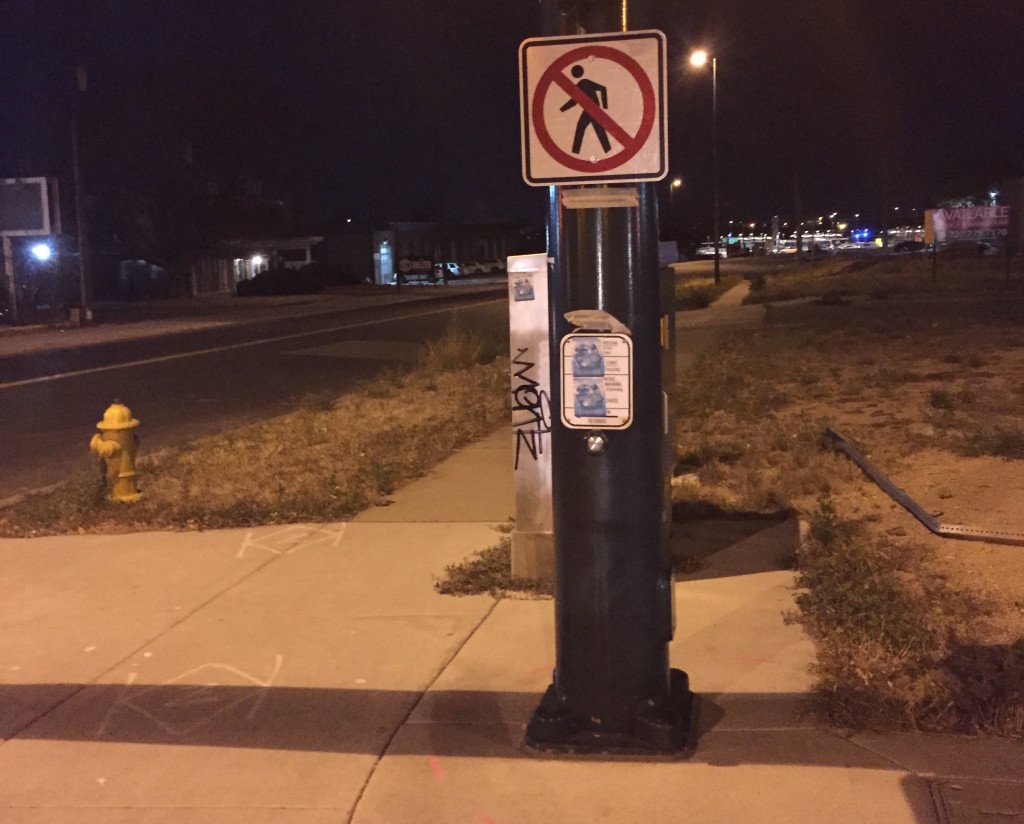
Zach Bishop and Christina Alderfer just want some speed bumps on their street in Cherry Hills so their two boys can play outside without worrying so much about reckless drivers. The Cherry Hill Village City Council has other priorities.
November 28, 2017
People Keep Dying on Federal Blvd, and CDOT Keeps Giving Excuses for Inaction
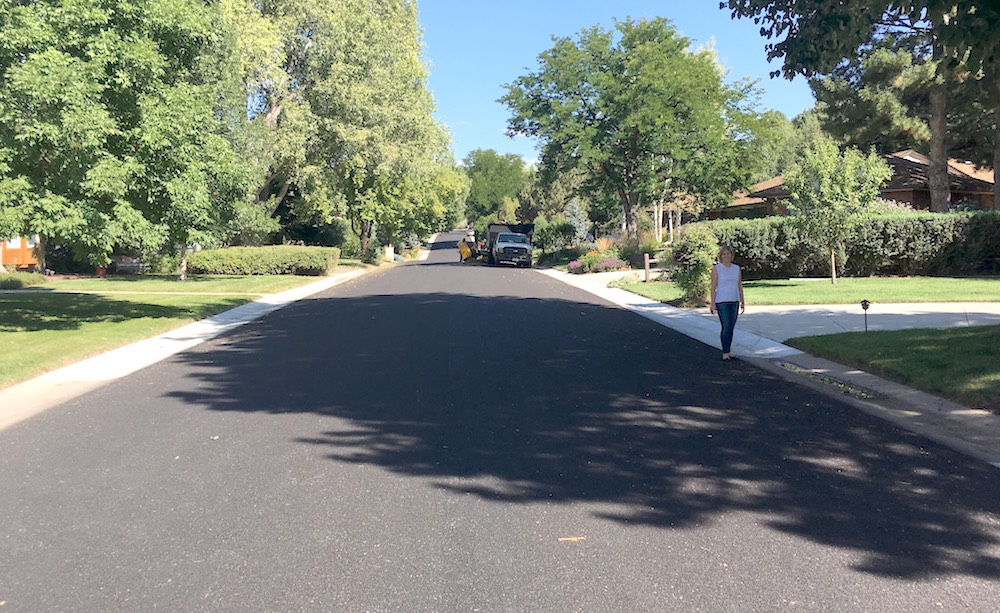
It's no secret that an urban street designed like a highway puts people at risk, but Colorado DOT is in no hurry to redesign Denver's deadliest corridor.
November 27, 2017
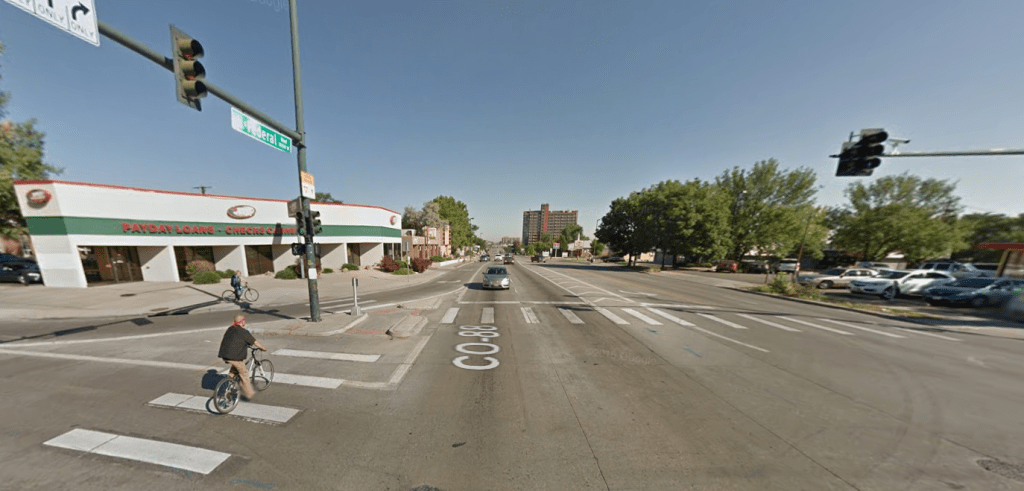
Bike Lane Blockers Still Get a Pass From Denver PD and Public Works, Despite Hancock’s Promises
Unless the Hancock administration changes its ways, his departments are still prioritizing the momentary convenience of drivers over the safety of people on bikes.
November 22, 2017
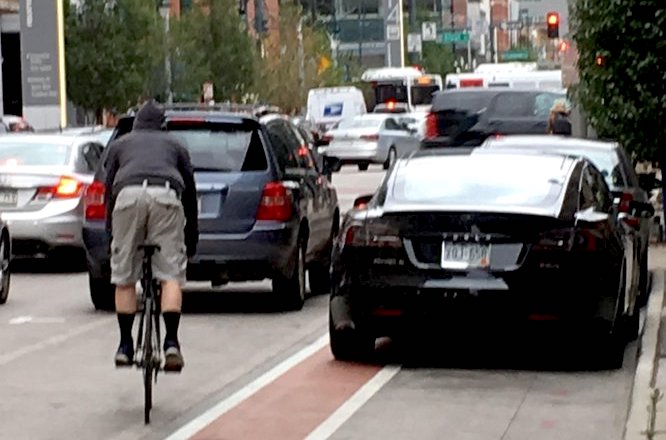
Don’t Believe the Hyperloop
In April Streetsblog's Angie Schmitt wrote an article headlined, "Is Your Local Government Falling for the Hyperloop Fantasy?" Coloradans can go ahead and nod furiously.
November 21, 2017

Will RTD Secure the Funds to Make Transit Fares Fairer for Low-Income Riders?
RTD would probably shed riders and revenue if a package of fare passes being debated by a working group went live in its current form. The transit agency, though, is not seeking the funding it would need to guard against those effects.
November 20, 2017
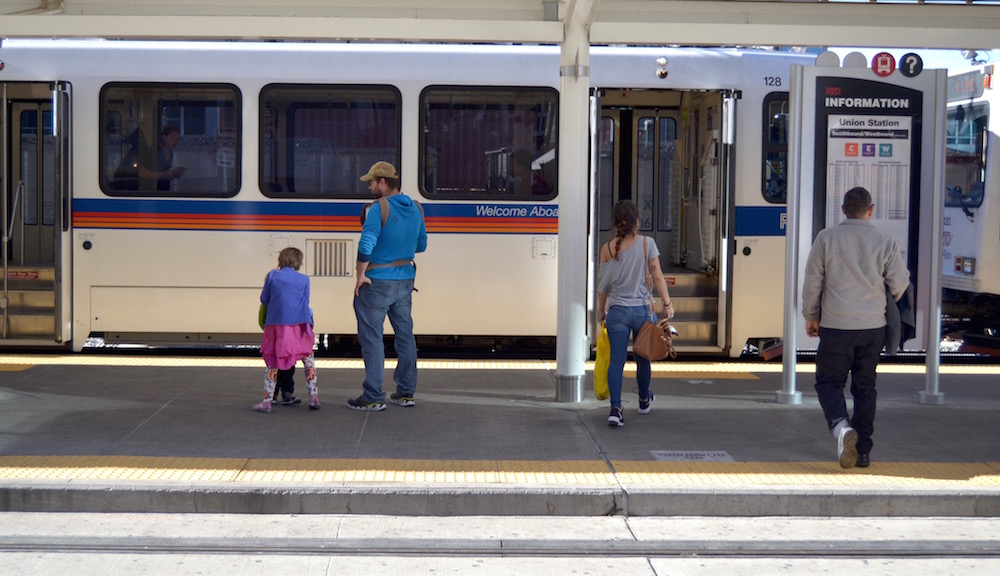
The People Left Behind By Car-Centric Planning
A kid walking to school is an afterthought, or worse, an inconvenience in a system that aspires to scientific efficiency in moving cars.
November 16, 2017
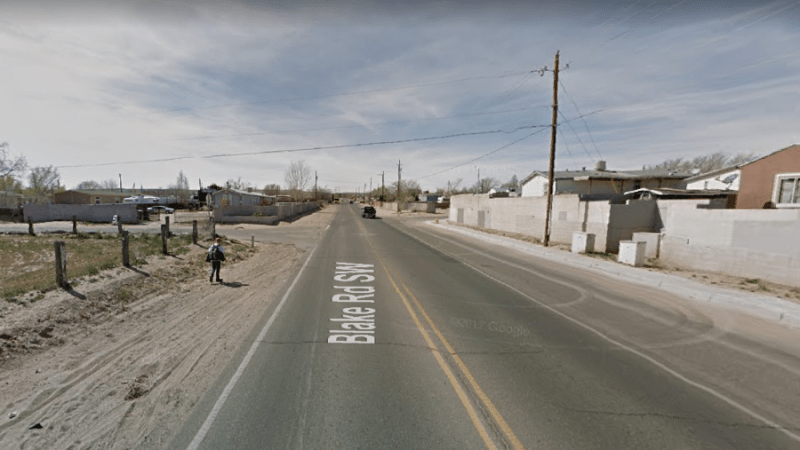
RTD’s Driver Shortage Is Getting Worse, and It’s Untenable
Service cuts look likely to match the agency's capacity with its commitments to riders.
November 16, 2017
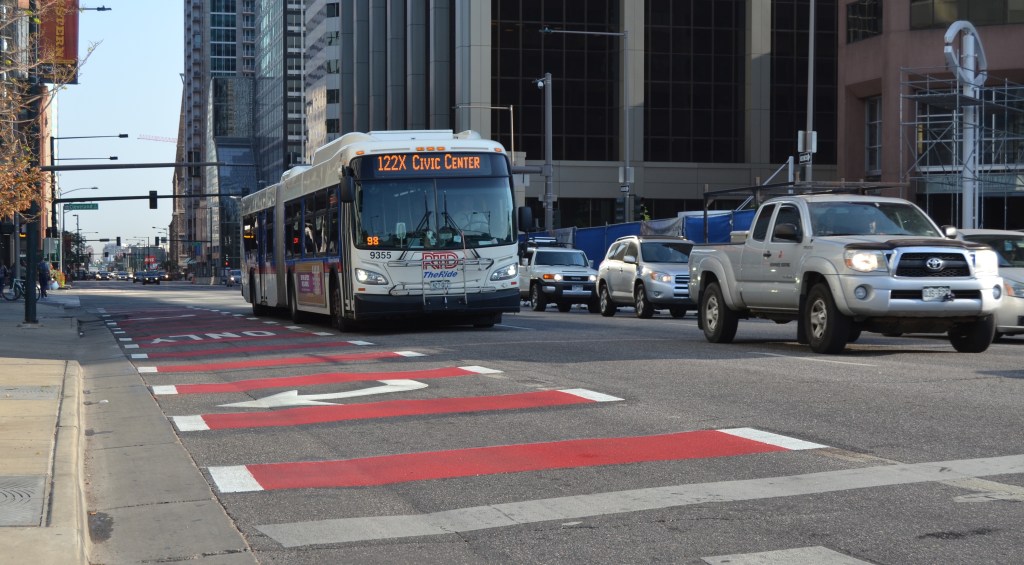
Getting to Know Eulois Cleckley, Hancock’s Choice to Head Denver Public Works
Eulois Cleckley will helm Denver Public Works, Mayor Michael Hancock announced Tuesday, starting on December 11. Cleckley replaces interim chief George Delaney, who took over following the retirement of Jose Cornejo in May.
November 15, 2017