Promoted
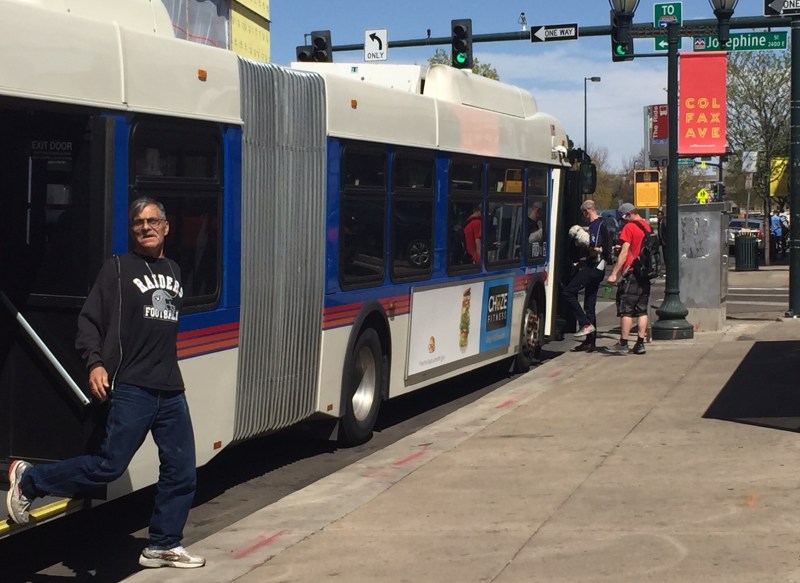
Colorado Lawmakers Nudge RTD to Provide Bigger Fare Discounts for Low-Income Transit Riders
RTD Board of Directors says it has everything under control.
April 26, 2018
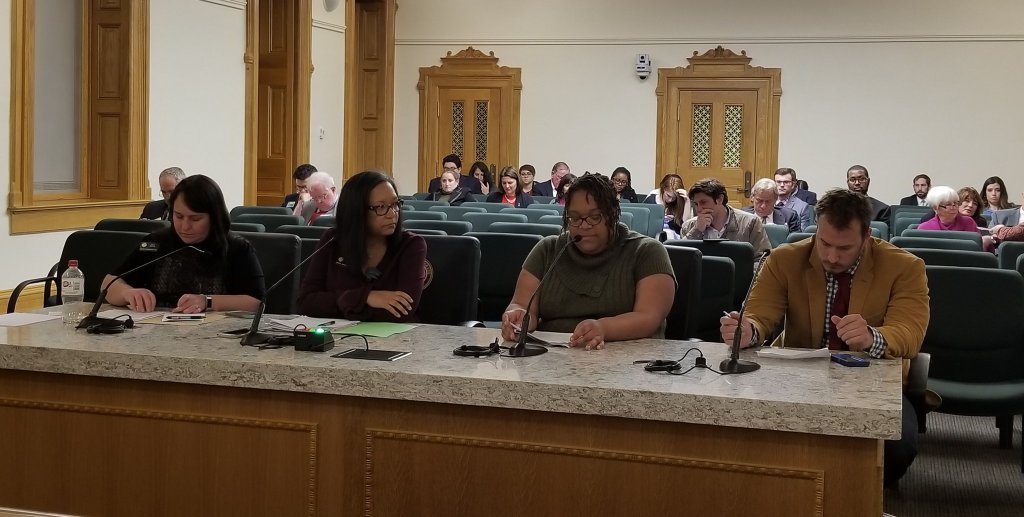
Denver B-Cycle Chief Nick Bohnenkamp Moving On
Nick Bohnenkamp has headed the nonprofit for almost nine years, most of its life. He'll stay around for three or four more months while B-Cycle searches for a replacement.
April 25, 2018
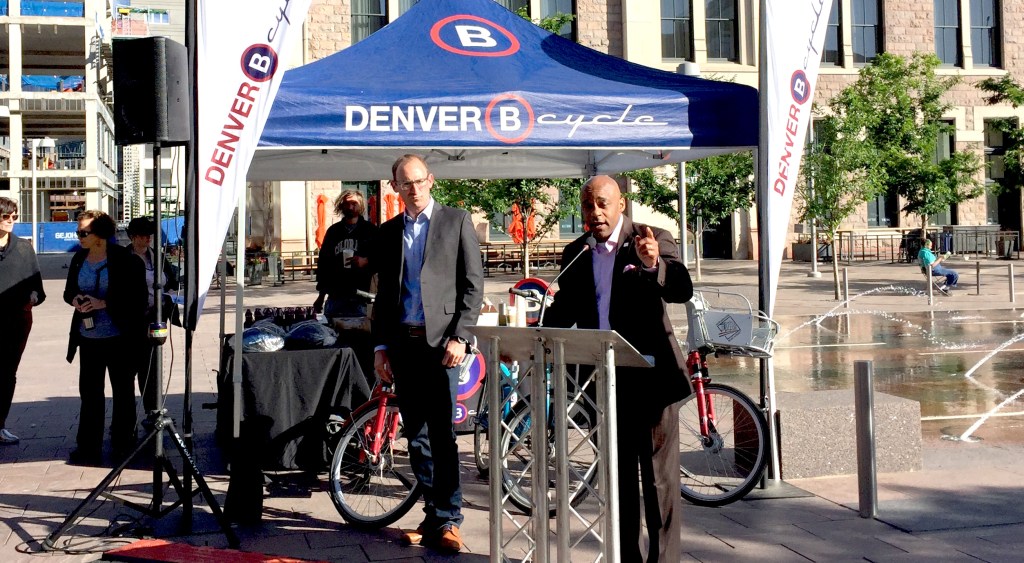
CDOT Preaches Imagined Public Safety Crisis of “Distract Walking” on Denver Street Corners
Every so often the Colorado Department of Transportation decides it's time to use public money to shame people walking in the name of street safety.
April 24, 2018
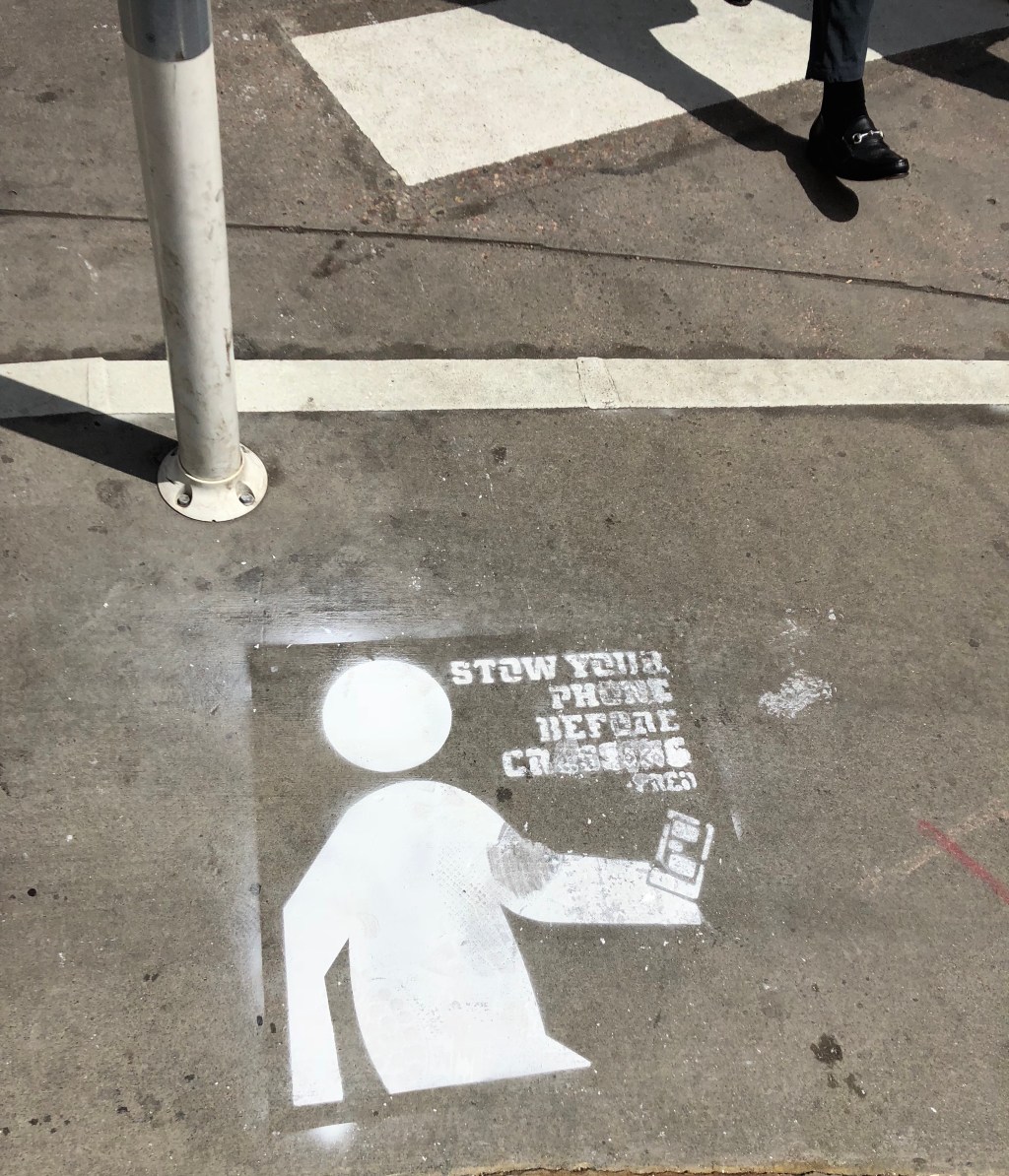
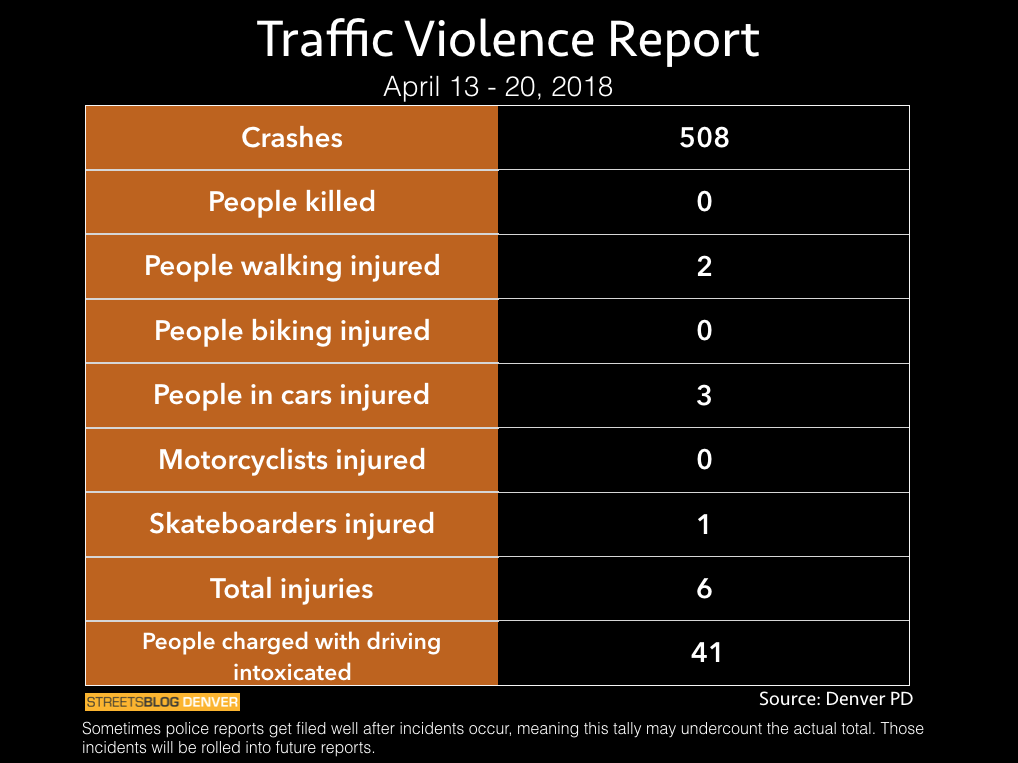
Last Week: 508 Car Crashes, Six Life-Changing Injuries on Denver’s Streets
To track the extent of crashes and injuries, Streetsblog is launching a weekly traffic violence report.
April 23, 2018
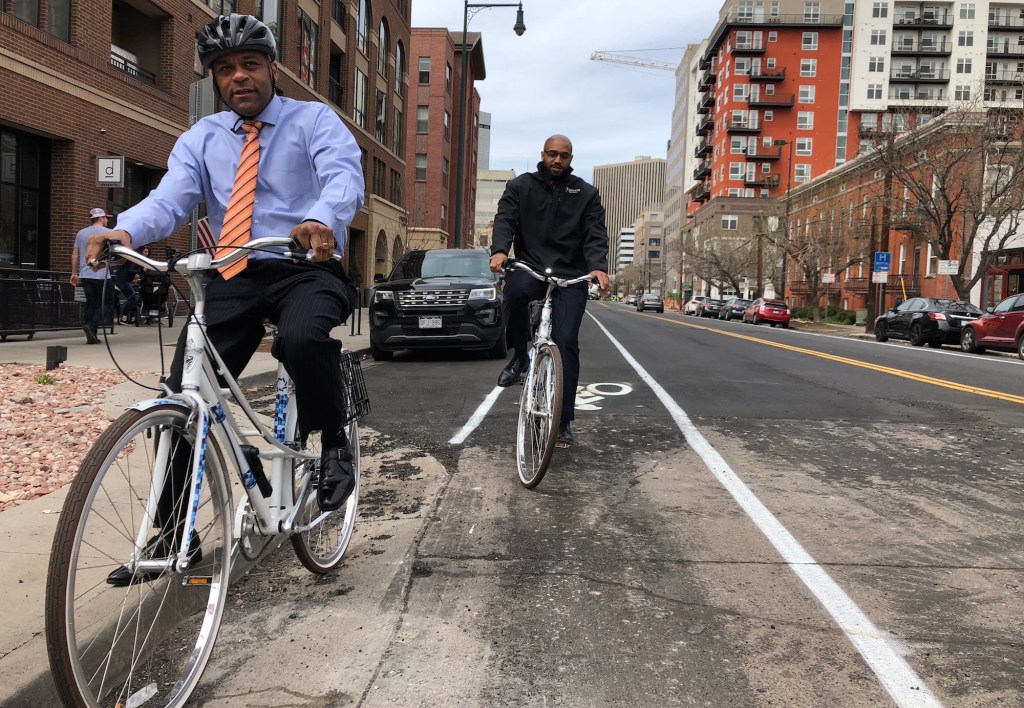
Eyes on the Street: 19th and 20th Avenues Go Two-Way — Plus Protected Bike Lanes Uptown
Denver Public Works repurposes a car lane for people on bikes. Grant and Logan streets will go two-way later this spring.
April 19, 2018
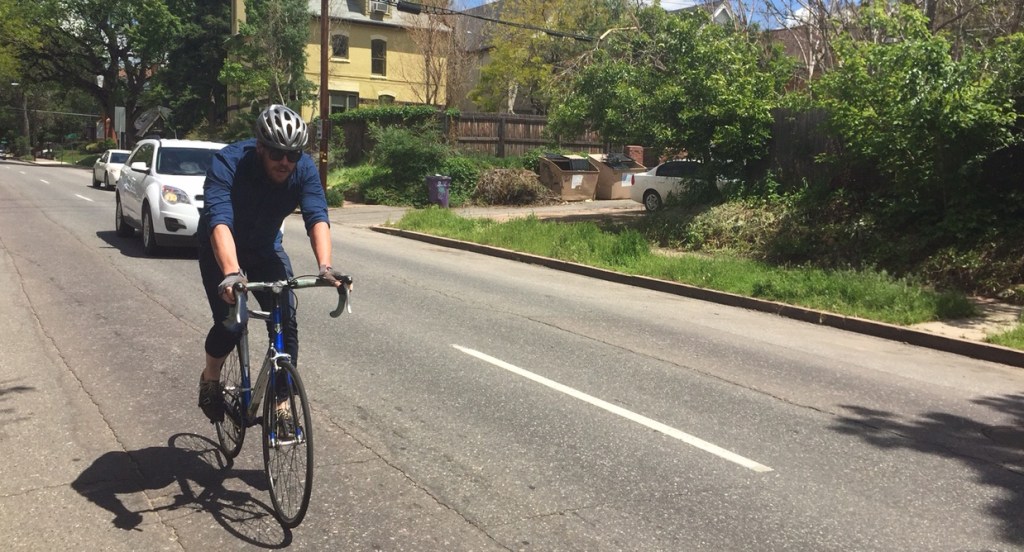
Bill to Standardize Bicycle “Safety Stop” Rules Across Colorado Awaits Hickenlooper’s Pen
While the bill does not legalize the practice statewide, it does clear a significant barrier.
April 19, 2018
Join Us May 10 for a Conversation About Women’s Movement in Denver
Join community advocates, transportation industry experts, and fellow Streetsblog readers for an evening to discuss how the region’s transportation system works — and doesn’t — for women.
April 18, 2018
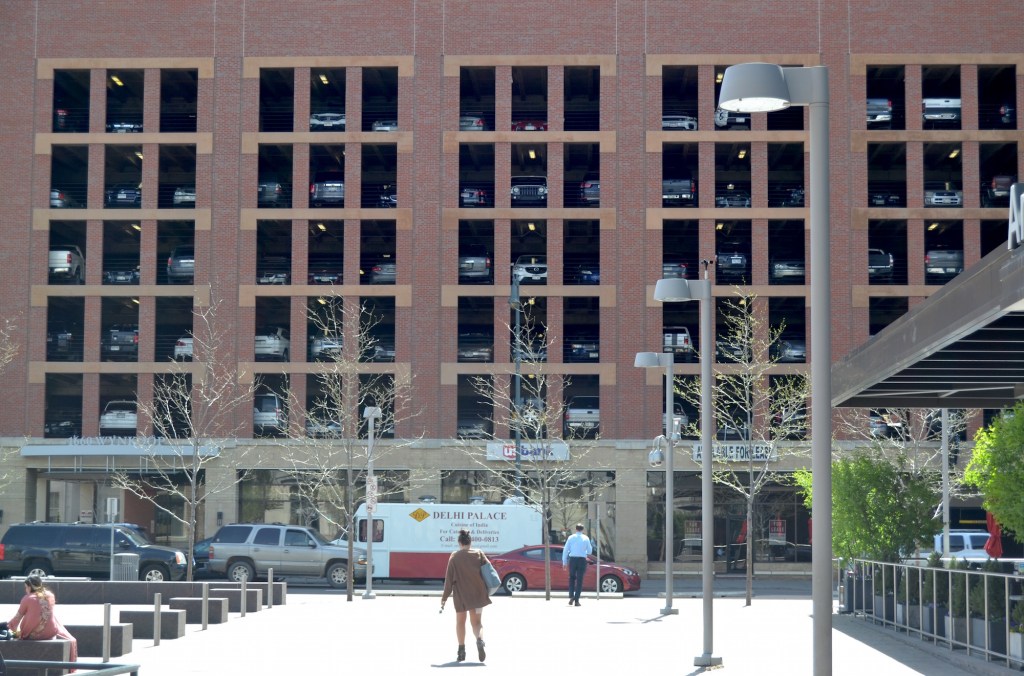
Denver7 Got It Wrong: Parking Is Proliferating Downtown, Not Shrinking
On Friday, local ABC affiliate Denver7 aired a news segment about the effect of growth on the downtown parking supply. The gist of the story was this: Useful buildings are supplanting surface parking lots, and that means fewer places to park cars. If only!
April 17, 2018
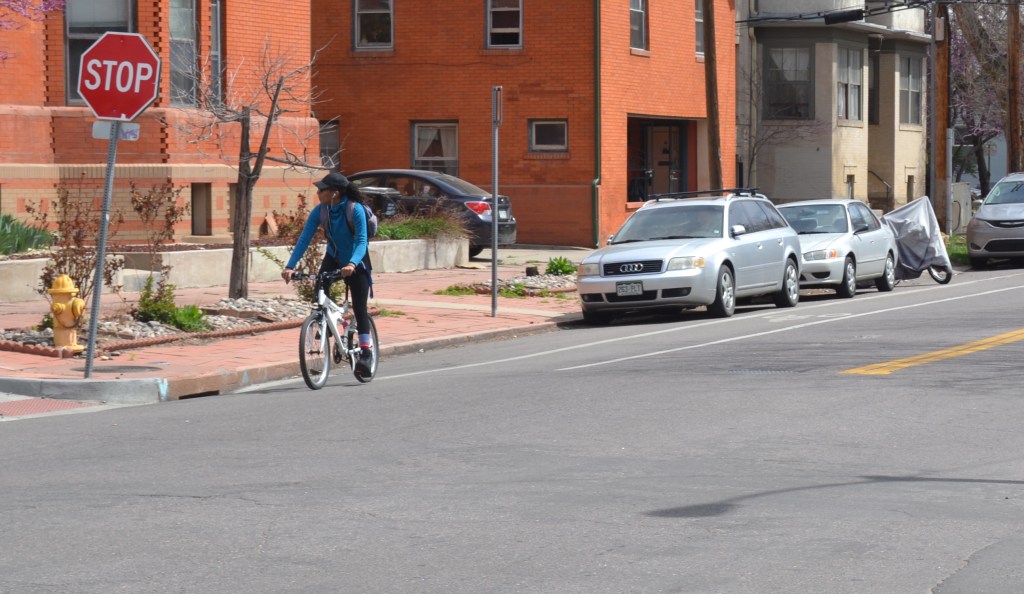
Colorado House Passes Bicycle “Safety Stop” Bill
If signed into law, the "safety stop" bill would not let bicyclists treat stop signs as yields statewide.
April 16, 2018
Add East Colfax to the List of Streets Getting Transit Signal Priority for Faster Buses
Yesterday Streetsblog reported that the Regional Transportation District and Denver Public Works will speed up buses on six streets by giving them more green lights as they approach intersections. Make that seven.
April 13, 2018