Why the Car Is No Longer a Symbol of Freedom and Adventure in the West
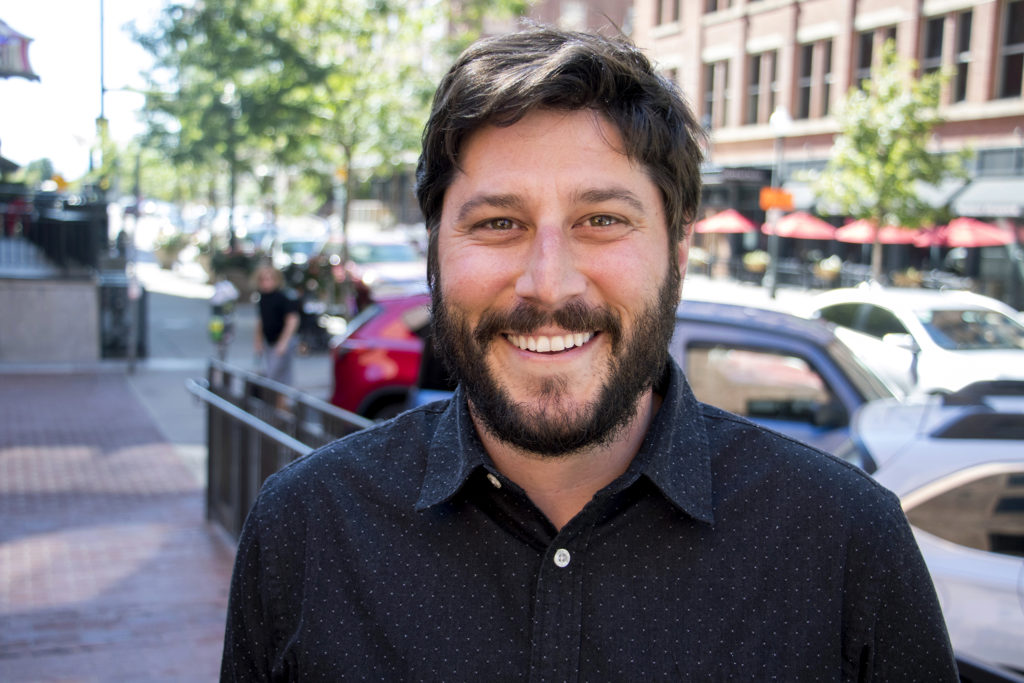
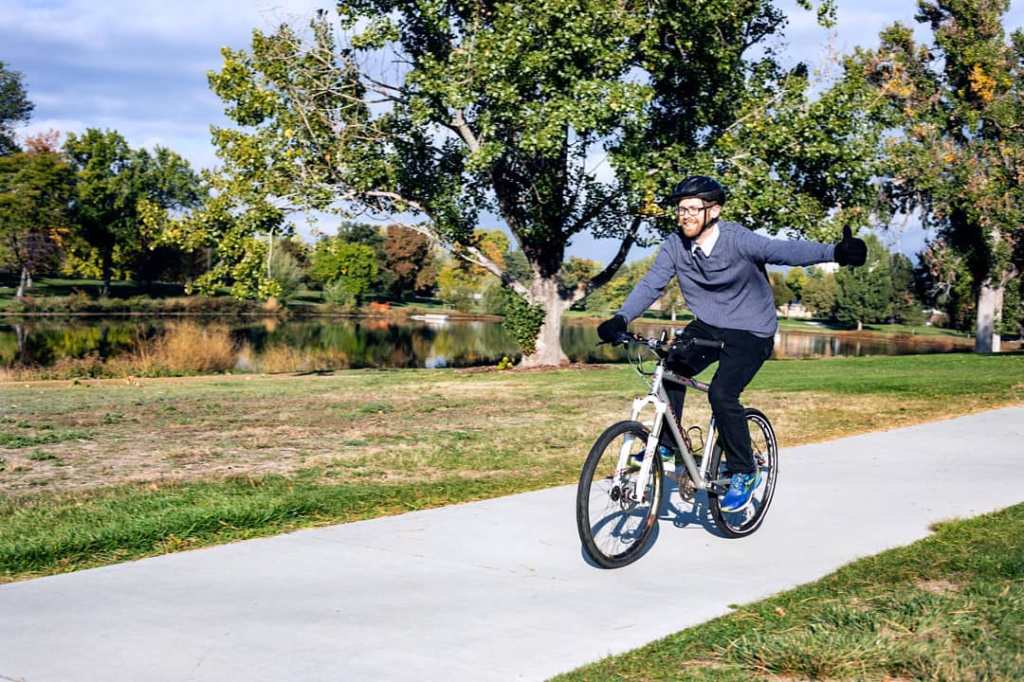
Tim Sullivan is a Salt Lake City planner and author who traversed the western United States via bike, bus, train, and foot in order to write “Ways to the West: How Getting Out of Our Cars Is Reclaiming America’s Frontier.”
Sullivan loves the sense of freedom and independence of the West — a concept a lot of Americans associate with the automobile. But as he told Colorado Public Radio’s Ryan Warner today on Colorado Matters, our addiction to automobiles actually jeopardizes the very things that lure people here.
The whole interview is worth an intent listen, but here are some highlights:
As I did my research into this project I found that there were these key things about not only the West, but our country, that were perhaps strongest in the West. Things like freedom, opportunity, adventure — mobility might be the biggest one — that at first the automobile really heightened, and really helped us with. But then, as we became more and more dependent on automobiles, it kind of got in the way of those things and became an impediment.
Let’s take freedom. What’s happened is, our choice of the ways we get around, especially in the West, has been reduced to basically one [thing]. And that’s getting around in a car. And one of the reasons for that… is that we’ve built our communities around this one transportation mode. So it’s not so much our personal choice — whether or not we’re making the right choice or not. It’s that the very places we live don’t allow us the choice to get around on the bicycle or walking or transit. We’ve really been reduced to one choice, and I don’t see much freedom in that.
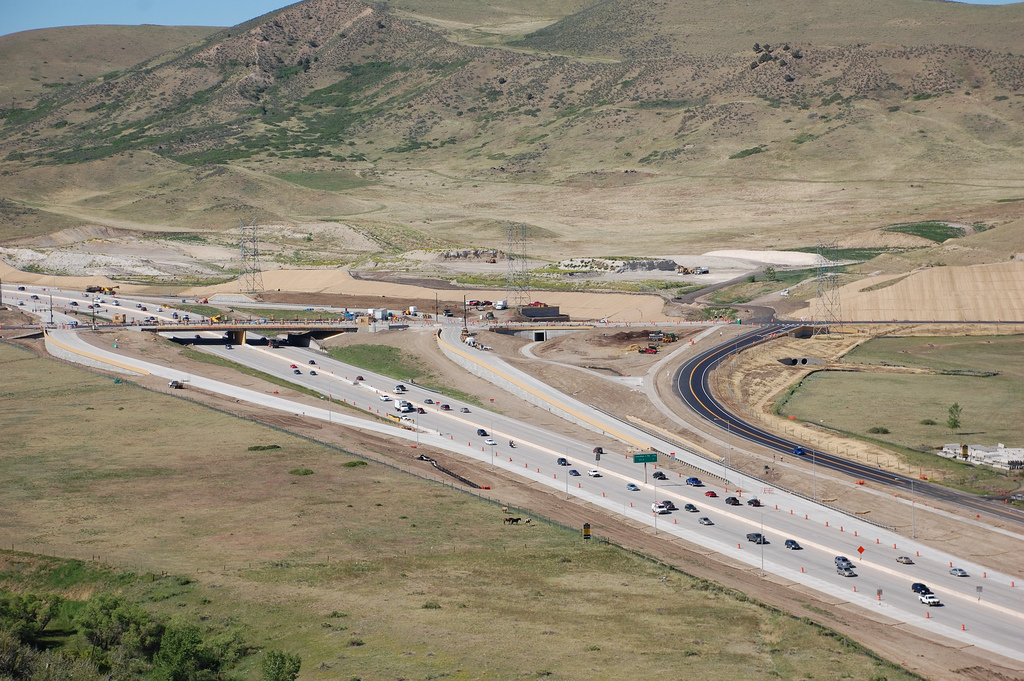
Sullivan visited Denver’s I-25 corridor, and his book spends a significant amount of ink on the Denver Tech Center. In 1962, an engineer named George Wallace developed the land south of the city because someone dented his Lincoln in downtown Denver, according to Sullivan. What’s now an overgrown, big-box business park was originally built as a respite for business people fleeing central Denver.
What made sense 50 years ago no longer does today, says Sullivan:
But one of the things I argue in the book is that the West has always been about the economics of space, where you’re producing more and more space and then the space gets filled up and then you’re creating more space and that gets filled up, so you’re constantly running away. So eventually, the Tech Center gets filled up, there’s congestion both ways, it goes from 30,000 vehicles on I-25 in the lat ’70s, early ’80s, to 300,000 now. So eventually you kind of have to figure out something else.
That “something else” is RTD’s rail system, which links the city to the suburbs.
Locals know that the Tech Center isn’t exactly a model of walkable and bikeable development. Sullivan found that out too, when a car nicked him while riding his bike from the rail station. He wasn’t hurt. But the incident illustrated a theme Sullivan found throughout his journey — that we’ve built an environment that no longer works for humans.
Sullivan ends the interview with some good insight on where we are, and where we go from here.
If you step back, we’re a really young American region. We’re a young region of a young country. I think one of my biggest messages with this book is to say, ‘Hey, this isn’t written in stone yet.’ Suburban environments like we’ve built throughout the West are very hard to unbuild, but they’re not impossible. And there’s a lot of opportunities for recasting these places. We’re not defined by what our cities look like now. And in order to be sustainable, we’re going to need to figure it out. We’ve figured out how to cross the distances and pump water across hundreds of miles, but we haven’t quite learned how to live here, and I think that’s what we’re just figuring out.
Streetsblog has migrated to a new comment system. New commenters can register directly in the comments section of any article. Returning commenters: your previous comments and display name have been preserved, but you'll need to reclaim your account by clicking "Forgot your password?" on the sign-in form, entering your email, and following the verification link to set a new password — this is required because passwords could not be carried over during the migration. For questions, contact tips@streetsblog.org.